
Revolutionary Sumwin Stainless Steel Innovations for 2026
The Rise of Sumwin Stainless Steel: Industry Overview
In recent years, stainless steel has emerged as a cornerstone material across various industries, driven by its durability, corrosion resistance, and aesthetic appeal. Sumwin, a notable name in the stainless steel sector, exemplifies innovation and quality in this field. As the demand for stainless steel continues to rise in sectors such as construction, automotive, and food processing, understanding the factors contributing to Sumwin’s success becomes essential. Moreover, with its commitment to sustainability and efficient manufacturing processes, sumwin is poised to play a significant role in shaping the industry’s future landscape.
Understanding Stainless Steel Manufacturing
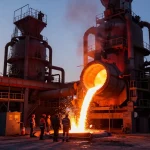
The manufacturing process of stainless steel involves several critical stages, including melting, casting, and fabrication. Stainless steel is primarily composed of iron, chromium, and nickel, which confer its unique properties. The melting stage typically occurs in electric arc furnaces, where raw materials are combined at high temperatures. Following this, the molten metal is cast into various shapes, offering versatility for different applications.
Fabrication processes such as welding, machining, and finishing further enhance the material’s usability. Companies like Sumwin are implementing advanced techniques in these areas to ensure optimal product quality while minimizing waste. Additionally, the use of state-of-the-art technologies, such as laser cutting and 3D printing, is revolutionizing how stainless steel components are produced, thus elevating the standards in the industry.
Key Properties of Sumwin Stainless Steel Products
Sumwin’s stainless steel products are known for their superior properties, which make them suitable for a wide array of applications. These properties include:
- Corrosion Resistance: The presence of chromium enhances the stainless steel’s resistance to rust and corrosion, making it ideal for harsh environments.
- Durability: Sumwin’s products exhibit high tensile strength and impact resistance, ensuring longevity and reliability.
- Heat Resistance: Many of their stainless steel products can withstand extreme temperatures, making them suitable for industries like automotive and aerospace.
- Aesthetic Appeal: The attractive finish of Sumwin products enhances their appeal in architectural and design applications.
These properties not only meet the demands of current market trends but also ensure that Sumwin remains competitive in an ever-evolving industry landscape.
Market Trends Impacting Sumwin in 2026
The stainless steel market is undergoing significant changes due to technological advancements, evolving consumer preferences, and regulatory pressures. In 2026, key trends include:
- Sustainability: There is an increasing demand for sustainably produced materials. Consumers and businesses alike are prioritizing products with lower environmental impacts, prompting Sumwin to enhance its sustainable practices.
- Smart Manufacturing: The integration of IoT and AI in manufacturing is streamlining operations, reducing costs, and improving product quality.
- Customization: As industries seek tailored solutions, Sumwin is adapting to provide customized stainless steel products that meet specific client needs.
By staying attuned to these trends, Sumwin can strategically position itself for continued success in the future.
Innovative Applications of Sumwin Stainless Steel
Construction and Architecture Solutions
Stainless steel has become a staple in construction and architecture due to its combination of strength and aesthetics. Sumwin’s products are extensively used in various structural and decorative applications, including:
- Beams and Columns: Offering both support and design appeal, these components enhance safety while contributing to the overall aesthetic of buildings.
- Facades: The use of stainless steel panels for building facades provides durability against the elements while maintaining a modern look.
- Railings and Balustrades: These installations prioritize safety and design, making stainless steel an ideal choice for both residential and commercial properties.
Innovative design solutions that incorporate Sumwin stainless steel not only advance architectural standards but also contribute to more sustainable building practices.
Food and Beverage Industry Uses
In the food and beverage sector, cleanliness and safety are paramount. Sumwin’s stainless steel products meet stringent hygiene standards, making them essential in this industry. Applications include:
- Food Processing Equipment: Stainless steel’s resistance to corrosion and ease of cleaning make it ideal for machinery in food production.
- Storage Tanks: These tanks are widely used for storing liquids, ensuring safety and quality through non-reactive properties.
- Utensils and Cookware: The durability and heat resistance of Sumwin’s stainless steel make it a preferred choice for kitchen tools and equipment.
By prioritizing quality and safety, Sumwin helps food and beverage businesses maintain high standards while delivering excellent products to consumers.
Automotive and Aerospace Integration
The automotive and aerospace sectors rely heavily on advanced materials that provide strength without compromising weight. Sumwin’s stainless steel is utilized in various critical components, such as:
- Exhaust Systems: Stainless steel’s heat resistance and durability ensure the longevity of exhaust components under extreme conditions.
- Aerospace Structures: Lightweight and strong, Sumwin stainless steel is integral in manufacturing aircraft components that require both performance and reliability.
- Fuel Tanks: Using stainless steel for fuel tanks enhances safety and performance in both automotive and aerospace applications.
As the demand for advanced materials grows in these industries, Sumwin continues to innovate and adapt to meet the evolving needs of its clients.
Quality Assurance in Sumwin Production
Certifications and Standards for Stainless Steel
Ensuring product quality is at the forefront of Sumwin’s operational philosophy. Compliance with international certifications and standards is crucial for maintaining industry credibility. Some notable standards include:
- ISO 9001: This standard specifies requirements for a quality management system, ensuring continuous improvement and customer satisfaction.
- ASTM Standards: Adhering to ASTM specifications guarantees that Sumwin’s products meet specific performance and quality benchmarks.
- EN Standards: European Norms ensure that products are suited for their intended use and comply with health, safety, and environmental regulations.
By upholding these certifications, Sumwin secures its position as a trusted supplier in the global stainless steel market.
Testing Procedures for Durability and Safety
Sumwin employs rigorous testing protocols to evaluate the durability and safety of its products. These testing procedures include:
- Tensile Testing: Assessing the material’s strength under tension helps to ensure product reliability.
- Corrosion Testing: Exposing products to corrosive environments allows Sumwin to evaluate their resistance and lifespan.
- Impact Testing: Testing products under high-stress conditions furthers quality assurance, minimizing potential failures.
These comprehensive testing protocols ensure that only the highest quality products reach the market, reinforcing Sumwin’s commitment to safety and performance.
Real-World Case Studies of Success
Case studies highlight the successful application of Sumwin’s stainless steel products across various sectors. For instance:
- Project A: In a large-scale construction project, Sumwin supplied stainless steel beams that improved structural integrity while reducing overall weight.
- Project B: A major food processing company adopted Sumwin’s tanks, resulting in a 30% increase in efficiency due to reduced cleaning times and improved safety standards.
- Project C: An automotive manufacturer integrated Sumwin’s exhaust systems, enhancing both performance and durability, leading to a reduction in maintenance costs.
These case studies serve as testament to Sumwin’s ability to deliver innovative, high-performance solutions tailored to meet industry needs.
Sustainability and Sumwin: A Focus on Eco-Friendly Practices
Recycling and Upcycling in Stainless Steel Manufacturing
With sustainability becoming a key focus for businesses worldwide, Sumwin is committed to eco-friendly practices in stainless steel manufacturing. One of the primary sustainability initiatives involves recycling and upcycling materials:
- Recycled Materials: Sumwin sources recycled stainless steel, reducing the demand for virgin materials and minimizing environmental impact.
- Upcycling Waste: Any waste generated during manufacturing is repurposed or upcycled into new products, further enhancing sustainability efforts.
By adopting these practices, Sumwin not only contributes to environmental conservation but also positions itself as a responsible player in the stainless steel market.
Energy-Efficient Production Techniques
Reducing energy consumption is vital for sustainable manufacturing. Sumwin has invested in energy-efficient technologies, including:
- Renewable Energy: Incorporating solar or wind energy into manufacturing processes helps decrease carbon footprints.
- Energy Management Systems: Implementing systems that monitor and optimize energy usage ensures maximum efficiency across operations.
These approaches not only contribute to a more sustainable production process but also enhance cost-effectiveness, allowing Sumwin to pass savings onto customers.
Future Sustainability Goals for 2026
Looking forward, Sumwin has set ambitious sustainability goals for 2026, which include:
- Carbon Neutrality: Aiming for carbon neutrality throughout the supply chain by adopting greener practices and technologies.
- Waste Reduction: Targeting a significant reduction in waste through more efficient processes and recycling initiatives.
- Community Engagement: Raising awareness and promoting sustainable practices within the community and among consumers.
By striving for these goals, Sumwin is not only enhancing its brand reputation but also ensuring a more sustainable future for the industry.
Challenges Facing Sumwin in 2026 and Beyond
Global Supply Chain Issues and Solutions
The global supply chain is facing unprecedented challenges, and Sumwin is not immune. Factors like geopolitical tensions, material shortages, and transportation issues pose significant threats to operations. To navigate these challenges, Sumwin is:
- Diversifying Suppliers: Strengthening relationships with multiple suppliers to mitigate risks associated with single-source dependencies.
- Investing in Logistics: Enhancing logistics capabilities to ensure timely delivery of raw materials and finished products.
These strategies aim to fortify Sumwin’s supply chain resilience while ensuring continuity in production and service delivery.
Technological Advancements and Industry Competition
The rapid pace of technological advancements creates both opportunities and challenges for Sumwin. To keep pace with industry competition, the company is focusing on:
- Product Innovation: Continuously developing new products and enhancing existing ones to meet evolving market demands.
- Investing in R&D: Allocating resources toward research and development to stay at the forefront of technological advancements in materials science.
By prioritizing innovation, Sumwin can differentiate itself in a competitive market landscape.
Addressing Consumer Demands and Expectations
As consumer expectations evolve, Sumwin faces the challenge of meeting diverse needs while maintaining quality and efficiency. Key strategies include:
- Customer-Centric Approach: Implementing feedback mechanisms to better understand customer preferences and adjust offerings accordingly.
- Customization Options: Providing tailored solutions that cater to specific industry requirements, enhancing customer satisfaction and loyalty.
By adopting a customer-centric approach, Sumwin not only fulfills market demands but also builds a strong brand reputation.
What is the future for Sumwin stainless steel products?
The future for Sumwin stainless steel products appears bright as demand continues to grow across various sectors. With an emphasis on sustainability, innovation, and adaptation to market trends, Sumwin is well-positioned to lead the industry into an era defined by advanced materials and eco-friendly practices.
How does Sumwin ensure product quality and safety?
Through stringent testing protocols, adherence to international standards, and a commitment to continuous improvement, Sumwin ensures that its products are safe, reliable, and of the highest quality.
What are the sustainability initiatives taken by Sumwin?
Sumwin’s sustainability initiatives focus on recycling, energy-efficient production, waste reduction, and community engagement, establishing the company as a leader in eco-friendly practices within the stainless steel industry.
In what industries is Sumwin stainless steel most commonly used?
Sumwin stainless steel finds applications across a variety of industries, including construction, food and beverage, automotive, aerospace, and more, demonstrating its versatility and reliability.
How can businesses leverage Sumwin products in their operations?
Businesses can leverage Sumwin products by incorporating high-quality stainless steel components into their operations, enhancing durability, safety, and overall efficiency, while benefiting from customizable solutions tailored to specific needs.
 Previous Post