Understanding Online Mastering
What is Online Mastering?
Online mastering is the process of preparing and transferring recorded audio from a source to a data storage device. It encompasses a variety of techniques that enhance sound quality, ensure consistency across tracks, and optimize audio for different playback systems. This essential final step in music production can be accomplished entirely online, allowing artists and producers to collaborate with skilled mastering engineers remotely. Through online mastering, musicians have the flexibility to access high-quality mastering services anywhere, meeting the needs of contemporary music distribution.
History of Mastering in Music
The practice of mastering has evolved significantly since its inception in the mid-20th century. Originally, it involved transferring audio directly from a mixer to vinyl or tape, often requiring physical assembly and meticulous attention to sound quality in the analog domain. As music technology progressed, the introduction of digital formats revolutionized the mastering process. Now, digital audio workstations (DAWs) allow for more intricate modifications, real-time adjustments, and numerous iterations, setting the stage for the rise of online mastering services that cater to a global audience.
Benefits of Going Online
Choosing online mastering offers several advantages. Firstly, it provides accessibility; artists can work with top-notch professionals regardless of geographical barriers. Secondly, the process is generally faster, as many services offer expedited options. Thirdly, oftentimes, the cost is more manageable compared to traditional mastering studios that require equipment and personnel. Furthermore, online mastering platforms usually feature user-friendly interfaces, allowing musicians to upload tracks quickly and receive feedback easily, streamlining the entire process without sacrificing quality.
Key Techniques in Online Mastering
Balancing Frequencies
Frequency balance is paramount in mastering. It involves ensuring that all frequency ranges—from sub-bass to treble—are well represented in the final mix. Engineers use equalizers (EQ) to adjust the levels of these frequencies, correcting any imbalance that may cause specific elements to be boomy or harsh. For instance, a common technique is to slightly reduce low frequencies to increase clarity in the mid and high ranges. This meticulous attention to detail ensures that the mix translates well across various playback systems.
Dynamic Range Control
Dynamic range refers to the difference in volume between the quietest and loudest parts of a mix. Mastering engineers employ compression to manage this dynamic range effectively. The goal is to create a balanced sound that retains musicality while achieving a sufficiently loud output. Over-compression can lead to a lifeless or overly saturated sound, making it crucial to find the right balance. Techniques like parallel compression can help maintain dynamics while maximizing loudness, a critical aspect of mastering for genres like pop and electronic music.
Utilizing Audio Effects
A range of audio effects can enhance a master. Reverb can add depth, while stereo widening can create a more immersive listening experience. It is important to use these effects judiciously—overdoing it can detract from the track's essence. The key lies in subtle enhancements that polish the audio without changing its fundamental character. Additionally, using effects can help in catering to different genres, as each genre may require specific traits to shine through in the mastering process.
Choosing the Right Tools for Online Mastering
Software Options Overview
Several software programs are popular for online mastering, each providing unique features that cater to different levels of expertise. Leading software such as iZotope Ozone, Waves Plugins, and Steinberg Wavelab offer comprehensive mastering packages with tools such as limiters, equalizers, and analyzers. When selecting software, consider the specific features and workflows that align with your mastering style and preferences.
Essential Plugins
Plugins enhance your mastering toolkit, offering additional capabilities that standalone software might lack. Essential plugins for mastering include multiband compressors, stereo enhancers, and analyzers. The use of a high-quality limiter is crucial as it ensures that the track reaches competitive loudness levels without distortion. Popular plugins from various developers cater to different needs, making it vital to evaluate your goals and select the ones that best support your mastering process.
Setting up Your Workspace
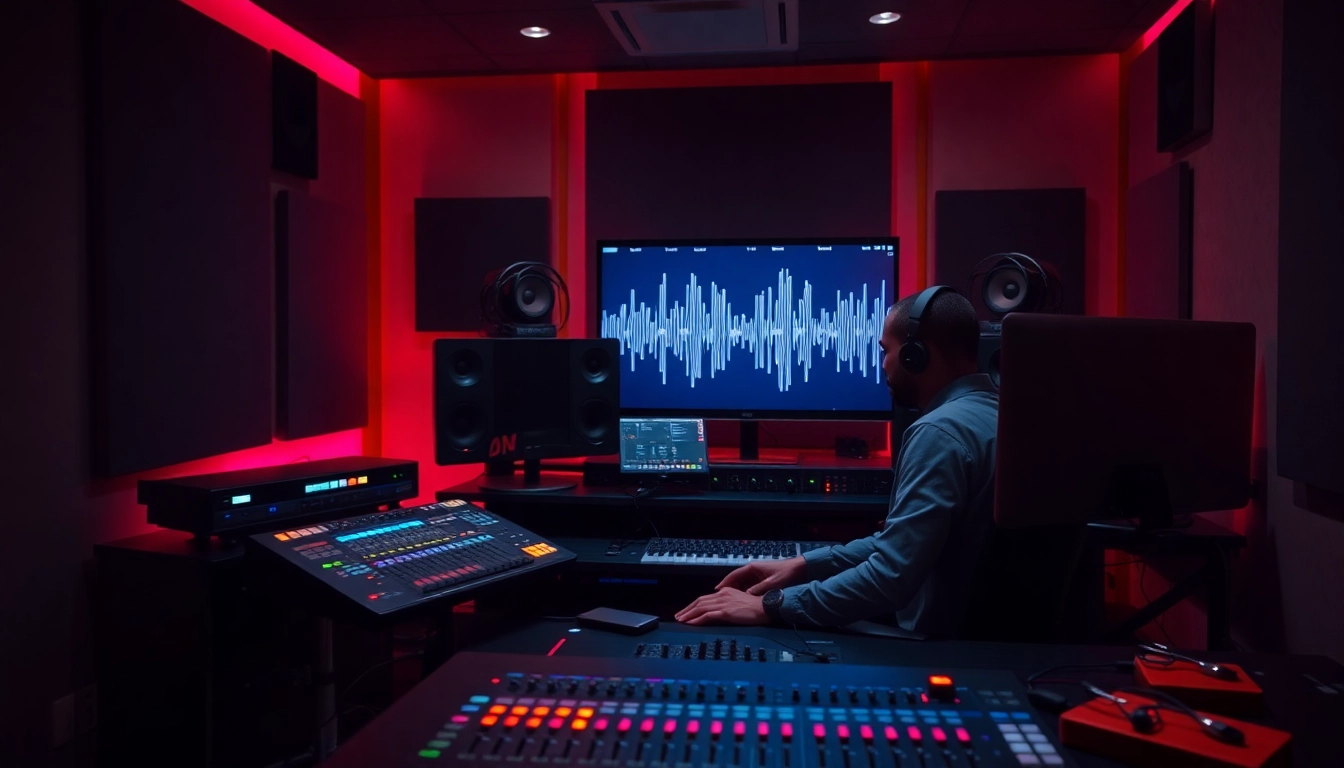
A proper workspace setup is essential for successful mastering. This includes high-quality studio monitors, a sound-treated room, and a reliable computer system. Investing in acoustic treatment can make a significant difference in how accurately you perceive your audio. Moreover, a comfortable and organized workspace can facilitate workflow efficiency, allowing you to focus more on the art of mastering rather than on technical distractions.
Mastering for Different Genres
Pop, Rock, and Electronic
Mastering techniques vary across genres. For pop and rock tracks, the emphasis is on punchy and bright sounds, ensuring vocals cut through the mix prominently. In electronic music, clarity and depth are crucial; therefore, mastering may involve enhancing bass frequencies to give tracks that “club-ready” feel. Moreover, utilizing sidechain compression can improve the dynamic relationship between kick drums and basslines, resulting in a more engaging auditory experience.
Jazz and Classical Mastering
When mastering jazz and classical music, the focus leans towards preserving the natural dynamic range and tonal balance. These genres benefit from a very transparent mastering approach, highlighting the subtleties of performance. Less compression is often applied, allowing the music's intricacies to shine without being overly polished. The intent is to create a warm, rich sound that mirrors the live performance, providing a sense of intimacy in the listening experience.
Indie and Alternative Approaches
For indie and alternative genres, mastering can often be about conveying a specific artistic vision rather than adhering to commercial standards. Using unconventional techniques and effects can help capture a unique sound that resonates with the intended audience. It’s essential to balance creativity with technical proficiency, ensuring the final product still meets quality expectations without compromising artistic integrity.
Measuring Success in Online Mastering
Key Performance Metrics
Success in online mastering can be quantified through key performance metrics such as loudness, dynamic range, and frequency balance. The loudness must be competitive within the streaming platforms’ standards, while a suitable dynamic range ensures the music remains engaging to listeners. Also, monitoring spectral balance allows mastering engineers to confirm no frequency range is overwhelming, maintaining a harmonious sound.
Gathering Feedback from Listeners
Soliciting feedback is crucial for assessing the effectiveness of your mastering work. Engaging with listeners through surveys or direct communication can uncover insights about their experiences with the track. Understanding how different audiences respond to your mastering can guide future projects, providing clarity on what techniques resonate most effectively.
Adjusting Based on Trends
Keeping abreast of trends in audio mastering and the music industry is vital. As listening habits evolve, mastering styles and techniques must adapt to stay relevant. Regularly researching current industry standards and listening to what is popular on various platforms can help you identify necessary adjustments in your approach, ensuring your music remains competitive in the market.
Frequently Asked Questions
What is online mastering?
Online mastering is a digital service that prepares and enhances music tracks for final release, accessible remotely, allowing musicians to collaborate with engineers from anywhere.
How does online mastering differ from traditional mastering?
Online mastering offers remote accessibility, often lower costs, and faster turnaround times compared to traditional mastering, which typically requires physical presence and resources.
What are the main techniques used in online mastering?
Key techniques include balancing frequencies, dynamic range control, and utilizing various audio effects to enhance the overall sound quality and competitiveness of the track.
Which software tools are essential for online mastering?
Popular software for online mastering includes iZotope Ozone and Waves Plugins, providing essential tools for EQ, compression, and limiting to refine audio tracks.
How can I measure the success of my mastering work?
Success can be gauged using metrics such as loudness, dynamic range, and feedback from listeners, which help assess the effectiveness of the mastering process.